

A petroleum jelly moisturizer acts as a powerful occlusive layer that seals moisture into the skin and protects the barrier from environmental damage. Choosing the right formula depends on whether you need a simple protectant for dry patches or a sophisticated treatment that combines hydration with advanced ingredients like collagen or niacinamide.
What Exactly Is a Petroleum Jelly Moisturizer?
A petroleum jelly moisturizer is a skin care product formulated with white petrolatum to create a physical barrier on the surface of the skin. Unlike standard lotions that contain high water content, these moisturizers focus on preventing transepidermal water loss. In the world of dermatology, petrolatum is considered the gold standard of occlusives because it can reduce water loss by more than 98 percent. This makes it an essential tool for people dealing with extreme dryness, compromised skin barriers, or conditions like eczema.
While many people use the term petroleum jelly to refer to the pure substance, modern skin care has evolved to include various formulations. Some products are 100 percent pure petrolatum, while others are ointments that mix petrolatum with humectants like glycerin or emollients like bisabolol. Understanding the difference between these types is crucial for choosing a product that fits your daily routine. Pure versions are often thick and greasy, making them ideal for nighttime use or for healing specific wounds. Ointment blends are often slightly easier to spread and may provide additional soothing benefits for irritated skin.
The popularity of using a petroleum jelly moisturizer has seen a significant resurgence due to the K-beauty trend known as slugging. This practice involves applying a thick layer of petrolatum over your entire face as the final step of your nighttime routine. The goal is to trap all the hydrating serums and creams underneath, forcing them deeper into the skin. This method has proven highly effective for achieving a glass skin look, though it requires a careful selection of products to avoid clogging pores or causing breakouts in oily skin types.
How a Petroleum Jelly Moisturizer Works to Seal Hydration
To understand why a petroleum jelly moisturizer is so effective, you must first understand the three main categories of moisturizing ingredients: humectants, emollients, and occlusives. Humectants like hyaluronic acid draw moisture into the skin from the air or deeper layers. Emollients like ceramides fill in the gaps between skin cells to smooth the surface. Occlusives like petrolatum sit on top of the skin to prevent that moisture from evaporating. This is why a petroleum jelly moisturizer is rarely used on its own for hydration but rather as a sealant to protect the work of your other skin care products.
When you apply petrolatum to the skin, it forms a semi permeable barrier. This barrier is unique because it allows the skin to breathe while still providing a heavy duty shield against the elements. It is particularly useful in cold or windy weather when the air tends to strip moisture from the face. By creating this artificial barrier, you give your skin time to repair its natural lipids. This process is vital for those with atopic dermatitis or psoriasis, where the natural skin barrier is often damaged and unable to hold onto water on its own.
For those interested in advanced hydration, the Best Collagen Jelly Cream Moisturizer for Glass Skin explains how pairing deep hydration with occlusive properties can transform skin texture. While traditional petroleum products are excellent sealants, they do not provide the active nutrients that modern K-beauty formulas offer. This is why many users are now looking for jelly textures that mimic the sealing power of petrolatum while delivering collagen and vitamins directly to the skin cells.
Comparison of Leading Petroleum Jelly Moisturizers
Choosing between the top brands requires looking at the specific ingredients and the intended use. Below is a comparison of the most popular petroleum jelly moisturizer options available today.
| Product Name | Active Ingredient | Key Benefits | Price |
|---|---|---|---|
| Vaseline Original Healing Jelly | 100% White Petrolatum USP | Pure skin protection, heals minor cuts | — |
| Aquaphor Healing Ointment | Petrolatum, Panthenol, Glycerin | Semi permeable barrier, soothing redness | — |
| CeraVe Healing Ointment | Petrolatum, Hyaluronic Acid, Ceramides | Restores skin barrier, non greasy feel | $20.99 |
| Generic White Petrolatum USP | 100% White Petrolatum USP | Essential protection, contains Vitamin E | — |
Vaseline Original Healing Jelly for Skin Protection
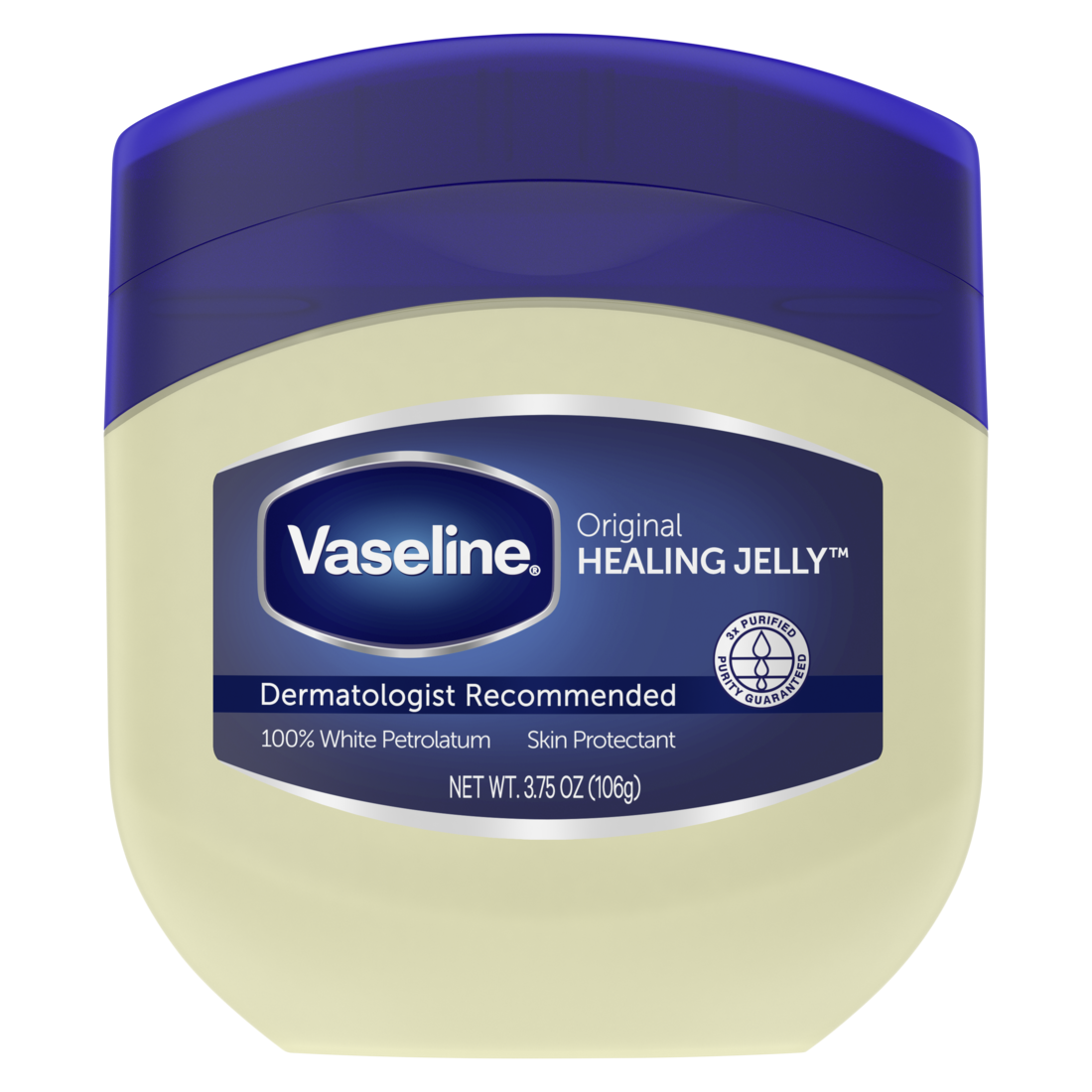
Vaseline Original Healing Jelly is the most recognized petroleum jelly moisturizer on the market. It consists of 100 percent White Petrolatum USP, which means it is a highly purified version of the mineral. This product is specifically marketed as a skin protectant and is used to temporarily protect minor cuts, scrapes, and burns. Because it contains only one active ingredient, it is often the safest choice for individuals with extreme sensitivities or allergies to complex skin care formulations.
One of the primary uses for Vaseline is to relieve chapped or cracked skin and lips. It works by forming a thick, waterproof layer that keeps external irritants out while keeping the natural moisture of the skin in. Many people use it on their elbows, knees, and heels where the skin is naturally thicker and more prone to dryness. However, because it is entirely occlusive, it can feel very heavy and greasy on the face. It does not absorb into the skin but rather sits on the surface until it is wiped or washed off.
In medical settings, this type of petroleum jelly moisturizer is often recommended for wound healing. Research from organizations like the American Academy of Dermatology suggests that keeping a wound moist with petrolatum can help prevent scabbing, which often leads to less scarring. It is a fragrance free and hypoallergenic option that has remained a household staple for decades due to its reliability and simplicity. You can learn more about skin protection from the American Academy of Dermatology.
Aquaphor Healing Ointment for Soothing Damaged Skin
Aquaphor Healing Ointment is often compared to pure petroleum jelly, but it is actually a water free, paraffin based formulation. It contains petrolatum as a base but adds several other key ingredients like Panthenol, Bisabolol, and Glycerin. These additions transform the product from a simple sealant into a treatment that helps replenish the moisture barrier. Panthenol, also known as Pro Vitamin B5, is highly effective at soothing irritated skin and reducing redness, while Glycerin acts as a humectant to draw moisture in.
This product is designed to be semi permeable, which means it allows some oxygen to reach the skin. This is beneficial for skin regeneration and healing. Many parents use Aquaphor on babies because it is gentle enough for sensitive skin and contains no added fragrances, colorants, or preservatives. It is a versatile ointment that can be used for everything from diaper rash to cracked cuticles. Because it contains glycerin, it often feels more moisturizing than pure petrolatum, which can feel purely protective without adding hydration.
For those who find pure petroleum jelly too heavy, Aquaphor offers a slightly more sophisticated texture. It is non comedogenic, meaning it is less likely to clog pores compared to other thick ointments. It is also a popular choice for post procedure skin care, such as after a chemical peel or laser treatment, because it protects the raw skin while providing soothing agents. If you are interested in similar soothing textures, check out our collection of Gel and Jelly Texture K Beauty Products.
CeraVe Healing Ointment with Ceramides and Hyaluronic Acid

CeraVe Healing Ointment is a modern take on the petroleum jelly moisturizer that addresses many of the complaints users have with traditional petrolatum. While it still uses petrolatum as its primary ingredient, it is a lanolin free and non greasy formula. What sets this product apart is the inclusion of three essential ceramides and hyaluronic acid. These ingredients work together to not only protect the skin but also actively restore the natural barrier and provide deep hydration for up to eight hours.
Ceramides are lipids that are naturally found in the skin and are essential for maintaining the skin barrier. Hyaluronic acid is a powerful humectant that can hold many times its weight in water. By combining these with petrolatum, CeraVe has created a product that provides the occlusivity of a jelly with the restorative properties of a high quality cream. It is suitable for all skin types, including sensitive and eczema prone skin, and has received the National Eczema Association Seal of Acceptance.
Users often prefer this ointment for slugging because it feels less like a thick grease and more like a smooth balm. It is clear and easy to spread across the face without pulling on the skin. This product is currently priced at $20.99 for a standard container, making it a mid range option for those who want more than just pure petrolatum. For more information on ingredients like ceramides, you can visit the CeraVe product page.
Why the YURI Collagen Jelly Cream Is a Better Daily Alternative
While a petroleum jelly moisturizer is excellent for specific needs, it is often too heavy for daily wear under makeup or during the day. This is where the YURI Collagen Jelly Cream with Niacinamide excels. Priced at $34.95, this product offers a unique jelly texture that provides the moisture locking benefits of an occlusive but with a much lighter, more elegant skin feel. It is designed to give you that sought after Korean glass skin without the grease associated with petrolatum.

The Collagen Jelly Cream features Niacinamide, which helps to brighten the skin and improve the appearance of pores. Unlike standard petroleum products, it actually absorbs into the skin to deliver collagen, helping to plump and firm the complexion. It is the perfect middle ground for someone who wants the protection of an occlusive but the active benefits of a serum. This makes it a superior choice for daytime use compared to a heavy ointment.
If you are trying to decide between a heavy mask and a cream, reading about Yuri Collagen Jelly Cream Review can help you understand the performance and texture. It provides a cooling sensation upon application and leaves the skin with a radiant, dewy finish that is not sticky. This is a critical factor for those who want to look hydrated but need to go about their day without their hair sticking to their face.
Petroleum Jelly Moisturizer for Slugging and Nighttime Routines
Slugging has become a viral sensation for a reason: it works for people with very dry skin. By applying a petroleum jelly moisturizer over your nighttime skin care, you create an environment where your skin can focus on repair rather than defending itself against moisture loss. However, doing this every night with pure petrolatum can sometimes lead to milia or small white bumps for certain skin types. This is why many skin care enthusiasts are switching to wrapping masks that provide a similar seal but with breathable, nutrient rich formulas.
The YURI Collagen Night Wrapping Mask is our number one best seller for a reason. At $45, it uses advanced technology to create a film over the skin that mimics the occlusive effect of petroleum jelly. This film locks in the collagen and hydration overnight, but unlike petrolatum, it is specifically designed for the face. It helps to firm the skin while you sleep, so you wake up with a bouncy, hydrated complexion that does not feel oily.

For those who struggle with dullness, the Kojic Acid Turmeric Night Wrapping Mask ($49.99) is an excellent choice. It combines the sealing power of a wrapping mask with the brightening benefits of Kojic Acid and Turmeric. This is something a standard petroleum jelly moisturizer simply cannot do. While petrolatum seals, this mask seals and treats hyperpigmentation simultaneously. You can explore these options in our K Beauty Jelly and Wrapping Masks collection.
Is Petroleum Jelly Good as a Moisturizer?
The answer depends on your skin type and your goals. Petroleum jelly is an excellent occlusive, meaning it is one of the best substances in the world for sealing in moisture. However, it is not a complete moisturizer on its own because it does not contain water. To get the most benefit, you should apply it to damp skin or over a hydrating cream. For people with extremely dry skin or compromised barriers, a petroleum jelly moisturizer can be a lifesaver, especially during the winter months.
For those with oily or acne prone skin, petroleum jelly can be more problematic. While it is technically non comedogenic, meaning the molecules are too large to enter the pores, it is so effective at sealing the skin that it can trap natural oils, sweat, and bacteria underneath. This can lead to increased breakouts for some users. If you have oily skin but still want that dewy look, a lighter jelly cream or a specialized pore pad like the No More Pore Pads ($39.95) might be a better way to manage your skin texture while maintaining hydration.
In summary, petroleum jelly is good as a functional tool for protection and recovery. It is a must have for healing cracked lips, protecting dry cuticles, and managing eczema patches. For a full face daily moisturizer, most people prefer something that offers more than just a barrier, such as products that include vitamins, antioxidants, and skin repairing lipids. For more on how to use these types of products, see the YURI Collagen Jelly Cream with Niacinamide Review.
Can I Use Vaseline as a Moisturizer with Tretinoin?
Using a petroleum jelly moisturizer like Vaseline with tretinoin is a common practice, but it must be done carefully. Tretinoin is a powerful retinoid that can cause significant peeling and irritation as the skin adjusts. Many dermatologists recommend the sandwich method, where you apply a light moisturizer, then tretinoin, and then a more occlusive layer on top to prevent dryness. Using Vaseline can help mitigate the irritation by preventing water loss, which is a major contributor to the tretinoin burn.
However, there is a risk. Because petroleum jelly is such a strong occlusive, it can actually increase the potency of the tretinoin by trapping it against the skin. This can lead to more irritation rather than less for some people. A safer approach for many is to apply a petroleum jelly moisturizer only on the most sensitive areas, such as the corners of the nose, around the eyes, and the lips, before applying tretinoin. This creates a buffer that prevents the retinoid from migrating to these delicate spots.
If you find that your skin is too sensitive for the combination of petrolatum and tretinoin, you might consider a product like the Salmon PDRN Collagen Mask ($39.99). This mask provides deep nourishment and helps with skin regeneration without the heavy occlusive risk of pure petrolatum. It is a great way to support your skin while using high strength actives. You can find more authoritative information on retinoid use on sites like Healthline.
Which Moisturizer Is Best for Comedones?
If you suffer from comedones, which are small bumps like whiteheads and blackheads, you generally want to avoid heavy, thick ointments like traditional petroleum jelly. While petrolatum itself is non comedogenic, its ability to trap everything underneath it can worsen congestion in oily skin. For comedone prone skin, the best moisturizer is one that is oil free, lightweight, and contains ingredients that help keep the pores clear.
Moisturizers with Niacinamide are often recommended for this skin type because Niacinamide helps regulate oil production and reduces inflammation. The YURI Collagen Jelly Cream is an excellent option here because it provides significant hydration in a jelly format that does not feel heavy or greasy. It allows the skin to stay hydrated without the risk of trapping excess sebum that leads to comedones. It is also important to use a gentle exfoliant to keep the pores clear.
The No More Pore Pads are designed specifically to target this issue. By using these pads before your moisturizer, you can ensure that your pores are clean and that your skin is ready to absorb hydration without congestion. This two step approach of clearing the pores and then using a breathable jelly moisturizer is much more effective for comedone prone skin than using a thick occlusive barrier.
Can Vaseline Get Rid of Hyperpigmentation?
There is a common misconception that Vaseline can get rid of hyperpigmentation. In reality, pure petroleum jelly does not contain any active ingredients like vitamin C, niacinamide, or kojic acid that are known to fade dark spots. However, Vaseline can indirectly help with hyperpigmentation by maintaining a healthy skin barrier. When the skin is well hydrated and protected, it can repair itself more effectively. For example, if you have a dark spot from a healing blemish, keeping it moist with a protectant can prevent it from becoming a more permanent scar.
If your primary goal is to treat hyperpigmentation, you should look for products that specifically target melanin production. This is where the Kojic Acid Turmeric Night Wrapping Mask is far more effective than a simple petroleum jelly moisturizer. Kojic Acid and Turmeric are powerful natural brighteners that help even out skin tone and fade dark spots over time. The wrapping technology ensures these ingredients stay in contact with your skin all night for maximum efficacy.
For those who want to stick with a jelly texture but need brightening, our K Beauty Jelly Moisturizers for Radiance collection offers several options. These products provide the dewy look of petrolatum while actually working to improve your skin tone. Remember that while protection is important, treatment requires specific actives that a simple occlusive cannot provide.
How to Use a Petroleum Jelly Moisturizer Correctly
To get the best results from a petroleum jelly moisturizer, application technique is key. You should never apply it to dry, dirty skin. This can trap bacteria and irritants, leading to breakouts or inflammation. The best time to apply any occlusive is immediately after your shower or after washing your face while the skin is still slightly damp. This allows the product to trap that water in your skin, which is the whole point of using an occlusive.
If you are using it as part of a multi step routine, it should always be the very last step. Apply your toners, serums, and lighter creams first. Wait a minute for them to settle, and then gently pat a small amount of the jelly over the top. You do not need a thick layer for it to be effective. A pea sized amount is usually enough to cover the entire face. If you find the feeling of petrolatum too greasy, try applying it only to the areas where you experience the most dryness.
For a more comfortable nighttime experience, many people prefer a specialized mask like the Collagen Night Wrapping Mask. It provides a similar protective seal but dries down to a comfortable film that won't rub off on your pillowcase. This solves one of the biggest drawbacks of traditional petroleum jelly moisturizer, which is the mess it can leave on your bedding. It offers the same moisture locking benefits but with a cleaner, more targeted application for facial skin care.
The Verdict on Petroleum Jelly Moisturizers
Petroleum jelly moisturizers remain a vital part of many skin care routines because of their unmatched ability to protect the skin barrier. Brands like Vaseline, Aquaphor, and CeraVe offer excellent options for those who need heavy duty protection from dryness and environmental damage. However, for daily facial use, especially for those seeking the glass skin aesthetic, modern K-beauty alternatives like the YURI Collagen Jelly Cream and Night Wrapping Masks offer significant advantages.
These advanced products provide the same occlusive benefits but add essential nutrients like collagen and niacinamide while maintaining a breathable, non greasy texture. Whether you choose a classic ointment or a high tech jelly mask, the key is to understand your skin's needs and how to use these products to seal in hydration. By choosing the right tool for your specific skin type, you can maintain a healthy, radiant complexion year round.
Petroleum Jelly Moisturizer FAQs
Is petroleum jelly good as a moisturizer?
Petroleum jelly is an excellent occlusive moisturizer because it prevents over 98% of water loss from the skin. It works best when applied over damp skin or other hydrating products to seal in moisture, rather than as a standalone source of hydration.
Can I use Vaseline as a moisturizer with tretinoin?
Yes, you can use Vaseline with tretinoin to help prevent dryness and irritation. However, because it is so occlusive, it can increase the strength of the retinoid by trapping it against the skin. It is often recommended to use it as a buffer on sensitive areas like the eyes and nose.
Which moisturizer is best for comedones?
For comedones, it is best to use a lightweight, non-comedogenic jelly moisturizer like the YURI Collagen Jelly Cream rather than a thick petroleum ointment. These formulas provide hydration without the heavy grease that can trap oils and worsen pore congestion.
Can Vaseline get rid of hyperpigmentation?
No, pure Vaseline does not contain active brightening ingredients to fade dark spots. To treat hyperpigmentation, you should use products containing Kojic Acid, Niacinamide, or Turmeric, such as the YURI Kojic Acid Turmeric Night Wrapping Mask.
Is petroleum jelly safe for all skin types?
While it is hypoallergenic and safe for sensitive skin, it may not be ideal for oily or acne-prone skin. Its strong occlusive nature can trap sweat and oil, which may lead to breakouts in some individuals.
What is the difference between Vaseline and Aquaphor?
Vaseline is 100% white petrolatum and acts as a pure seal. Aquaphor is a petrolatum-based ointment that also includes ingredients like Glycerin, Panthenol, and Bisabolol to help soothe and hydrate the skin while protecting it.
Keep Reading
- Medicube Collagen Jelly Cream Before or After Moisturizer Guide
- Peter Thomas Roth Water Drench Hyaluronic Jelly Moisturizer Comparison and Review
- The Best Collagen Jelly Cream Moisturizer for Glass Skin
- YURI Collagen Jelly Cream with Niacinamide Review for Glass Skin 2026
- Shop Gel & Jelly Texture K-Beauty Products
- Shop K-Beauty Jelly and Wrapping Masks