

Finding the right niacinamide serum for redness can be the turning point for anyone struggling with a reactive or inflamed complexion. This powerhouse ingredient, also known as Vitamin B3, is celebrated for its ability to stabilize the skin barrier and minimize visible irritation without the harsh side effects of other actives.
Does niacinamide help with redness?
Niacinamide is one of the most versatile ingredients in modern skincare, particularly when it comes to calming the skin. It works by boosting the production of ceramides, which are the fatty acids that maintain the skin protective barrier. When your barrier is strong, your skin is less likely to react to environmental triggers that cause flushing and irritation. Research indicates that niacinamide can significantly reduce the appearance of blotchiness and redness by inhibiting inflammatory pathways. Unlike aggressive treatments, it provides a soothing effect that makes it suitable for those with sensitive skin or rosacea.
In addition to barrier support, niacinamide helps to regulate oil production and improve the overall texture of the skin. For individuals dealing with acne related redness, this ingredient is doubly effective. It addresses the active breakout while simultaneously fading the lingering red marks left behind. By incorporating a dedicated niacinamide serum for redness into your daily routine, you are providing your skin with the tools it needs to remain resilient against external stressors. This is why many editors and dermatologists consider it a non negotiable step for achieving an even, balanced skin tone.
If you are looking for specific comparisons, you might find our guide on The Complete Guide to La Roche posay Pure Niacinamide 10 Serum helpful for understanding how different brands approach this ingredient. Understanding the concentration levels is key, as higher percentages are not always better for those with extreme sensitivity. A balanced formula often yields better long term results for redness than a high potency serum that might cause further irritation.
What serum is best for reducing redness?
The best serum for reducing redness is one that combines niacinamide with other calming agents like collagen, turmeric, or centella asiatica. While niacinamide does the heavy lifting in terms of barrier repair, these supporting ingredients help to instantly soothe the surface of the skin. For many users, a jelly or cream based serum is preferable because it provides an additional layer of hydration that liquid serums might lack. Hydration is essential because dry skin is often more prone to inflammation and flushing.
When searching for the top niacinamide serum for redness, look for formulas that avoid synthetic fragrances and drying alcohols. These additives can counteract the soothing benefits of the niacinamide and lead to more visible irritation. Modern K beauty formulations are particularly adept at this, often blending traditional botanical extracts with scientifically proven actives to create gentle yet effective treatments. You can explore a variety of these options in our collection of Turmeric and Niacinamide for Red Face solutions.
The 8 Best Niacinamide Serum for Redness Options
Choosing the right product depends on your specific skin type and the cause of your redness. Whether you are dealing with chronic sensitivity, acne marks, or general flushing, these eight picks represent the best the market has to offer.
1. Collagen Jelly Cream with Niacinamide
This formulation from YURI Korean Beauty is specifically designed to provide deep hydration while targeting uneven skin tone. The jelly texture is incredibly cooling upon application, which provides immediate relief for heated or flushed skin. By combining niacinamide with collagen, this product does not just calm redness, it also works to plump the skin and reduce the appearance of fine lines. It is an excellent choice for those who want a multi functional product that replaces both a serum and a light moisturizer.

- Price: $34.95
- Best For: Dry and sensitive skin types needing deep hydration.
- Key Ingredients: Niacinamide, Collagen.
2. The Ordinary Niacinamide 10% + Zinc 1%
The Ordinary offers one of the most famous versions of a niacinamide serum for redness on the market. At a very low price point, it provides a high 10% concentration of niacinamide paired with zinc to help control sebum. This makes it a primary choice for individuals with oily or acne prone skin. However, some users with very dry or sensitive skin find the 10% concentration and the presence of zinc to be slightly drying, so it is often best followed by a rich moisturizer.
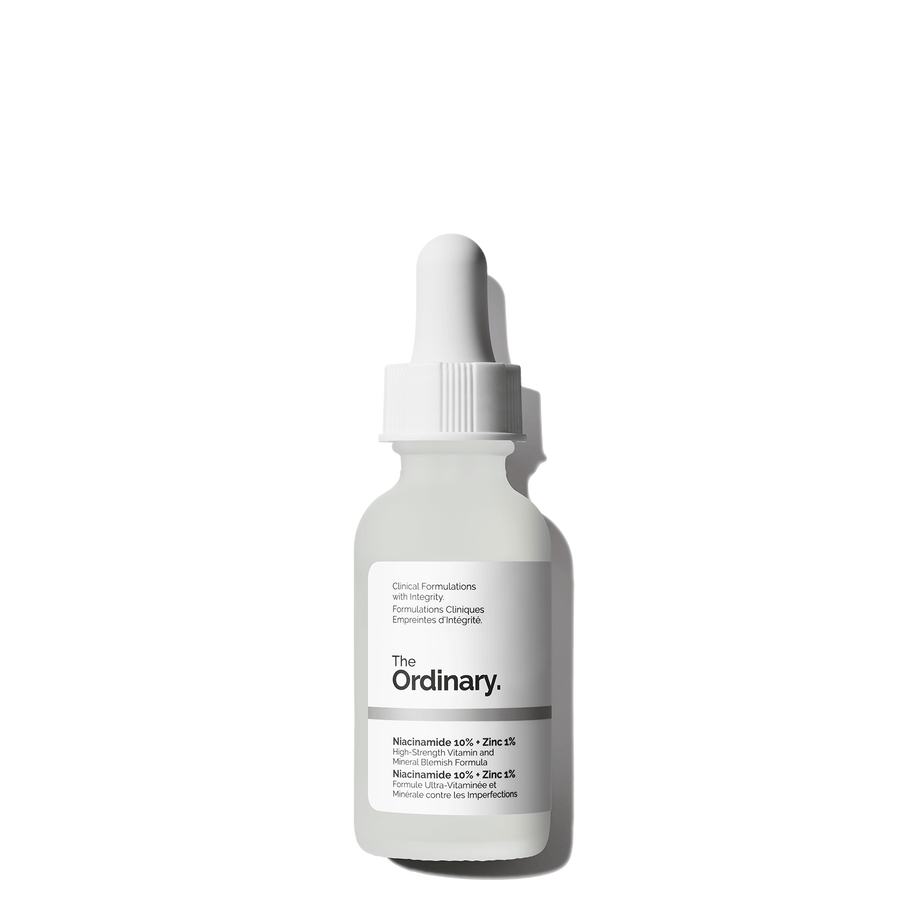
- Price: $6.00
- Best For: Oily and acne prone skin types on a budget.
- Key Ingredients: Niacinamide 10%, Zinc PCA 1%.
3. Kojic Acid Turmeric Night Wrapping Mask
While technically a mask, this product functions as an intensive overnight niacinamide serum for redness. The inclusion of turmeric is vital here, as turmeric is a natural anti inflammatory that has been used for centuries to treat skin irritation. When you apply this before bed, it creates a protective wrap that allows the niacinamide and kojic acid to penetrate deeply while you sleep. This is particularly effective for those dealing with stubborn red spots or pigmentation left behind by blemishes.

- Price: $49.99
- Best For: Targeting both redness and dark spots simultaneously.
- Key Ingredients: Kojic Acid, Turmeric, Niacinamide.
4. Dr. Zenovia Niacinamide Correcting Serum
Dr. Zenovia is a dermatologist grade option that focuses on hormonal skin health. This serum is formulated to tackle redness associated with hormonal fluctuations and adult acne. It is a more expensive choice, but it is highly regarded for its clinical efficacy and medical grade ingredients. It helps to minimize pore size and improve the skin resilience over time. For those who have tried budget options without success, this clinical formulation offers a more robust approach to skin repair.
- Price: $76.00
- Best For: Hormonal acne and medical grade skin concerns.
- Key Ingredients: Niacinamide, Bakuchiol.
5. No More Pore Pads
If you prefer a more convenient application, these pads are soaked in a potent niacinamide solution. They provide a gentle physical exfoliation while delivering the anti inflammatory benefits of niacinamide directly to the pores. This is an ideal niacinamide serum for redness alternative for those who find that liquid serums are too messy or difficult to incorporate into a busy morning routine. They are especially effective at calming the redness often found around the nose and chin areas where pores are more prominent.

- Price: $39.95
- Best For: Quick application and combined pore care.
- Key Ingredients: Niacinamide, Salicylic Acid.
6. Niacinamide 10% + Zinc 1% Serum for Face (Amazon Choice)
This generic yet popular option on Amazon mimics the formulation of higher end serums at a competitive price. It is designed specifically for redness relief and dermatologist testing. While it lacks some of the luxury botanicals found in K beauty products, it is a straightforward way to get niacinamide into your routine. Users often praise it for its simplicity and ability to reduce the look of enlarged pores alongside facial redness. It is a reliable basic for those just starting their skincare journey.
- Price: Varies
- Best For: Beginners looking for a simple, single ingredient focus.
- Key Ingredients: Niacinamide 10%, Zinc.
7. Collagen Night Wrapping Mask
As the number one best seller for YURI, this mask is the gold standard for overnight skin recovery. It utilizes a wrapping technology to ensure that the niacinamide and collagen stay on the skin rather than evaporating or rubbing off on your pillow. This intensive contact time is what makes it a superior niacinamide serum for redness for those with chronic dryness. You wake up with skin that is significantly calmer, more hydrated, and visibly less red than the night before.

- Price: $45.00
- Best For: Intense overnight recovery and barrier repair.
- Key Ingredients: Collagen, Niacinamide, Adenosine.
8. Salmon PDRN Collagen Mask
For skin that is truly distressed or recovering from professional treatments, the Salmon PDRN mask is an incredible choice. PDRN is an ingredient derived from salmon DNA that is known in clinical circles for its remarkable wound healing and anti inflammatory properties. When paired with niacinamide, it creates a powerful environment for skin repair. This is the best niacinamide serum for redness when the cause is environmental damage or a compromised skin barrier from over exfoliation. You can learn more about this specific technology in our article on How to Use Salmon PDRN Serum for Faster Skin Repair.
- Price: $39.99
- Best For: Damaged skin barriers and post treatment care.
- Key Ingredients: Salmon PDRN, Collagen, Niacinamide.
How long does niacinamide take to reduce redness?
One of the most common questions is how quickly you can expect to see results when using a niacinamide serum for redness. While some products like the YURI Collagen Jelly Cream offer immediate cooling and temporary reduction in flushing, true physiological change takes time. Generally, you can expect to see a noticeable improvement in skin tone and a decrease in daily redness within two to four weeks of consistent use. This timeframe allows the skin to begin the process of ceramide production and barrier fortification.
For more stubborn issues, such as red marks from past acne or chronic rosacea flushing, it may take eight to twelve weeks to see the full benefits. Consistency is vital. Applying your serum twice daily, once in the morning and once at night, ensures that the skin barrier is constantly supported. If you are also interested in brightening effects, you might want to read about The 7 Best Vitamin C Serum for Brightening Skin Choices, as Vitamin C and niacinamide can often be used together for a more comprehensive approach to skin evening. For more options, browse our Top Rated Niacinamide Formulas for Glow collection.
Safety and side effects of niacinamide serum for redness
Niacinamide is widely considered safe for all skin types, but like any active ingredient, it requires proper introduction. Some individuals may experience a temporary flushing sensation when they first start using a high concentration niacinamide serum for redness. This is often referred to as a niacin flush and is usually harmless, but it can be avoided by starting with a lower percentage or a buffered formula like a jelly cream. It is always recommended to perform a patch test on a small area of your neck or jawline before applying a new product to your entire face.
If you have extremely sensitive skin, avoid using niacinamide alongside high concentrations of L ascorbic acid (pure Vitamin C) in the same step of your routine if it causes tingling. While they are safe to mix according to modern research, the combination can occasionally trigger a sensitivity response in those with a compromised barrier. Instead, use your niacinamide serum in the evening and your Vitamin C in the morning. This staggered approach provides the benefits of both without the risk of overwhelming your skin. For those interested in more comparisons, check out the Naturium Niacinamide Serum Review and Comparison to see how other market leaders stack up.
How to use niacinamide with other active ingredients
Integrating a niacinamide serum for redness into a complex routine is relatively easy because it is such a stable molecule. It pairs beautifully with hyaluronic acid for hydration and with retinoids to help mitigate the irritation that Vitamin A can sometimes cause. In fact, many dermatologists recommend applying a niacinamide serum before your retinol to act as a buffer for the skin. This synergy makes it a staple for anyone focused on anti aging without wanting to trigger redness.
When using acids like AHAs or BHAs, niacinamide helps to soothe the skin after exfoliation. Products like the No More Pore Pads actually combine these steps for you, providing the exfoliation of salicylic acid with the calming effect of niacinamide. This balance is crucial for maintaining a clear complexion that does not look perpetually irritated. If you are building a routine for aging skin, consider looking into the 7 Best Serum for Anti Aging Korean Formulations to find products that complement your redness relief strategy.
Comparison of top niacinamide formulas for facial redness
To help you make a final decision, this table summarizes the key factors of the top contenders mentioned in this guide. Each of these products serves a slightly different purpose within a skincare regimen.
| Product Name | Price | Primary Benefit | Best For |
|---|---|---|---|
| Collagen Jelly Cream | $34.95 | Hydration + Redness | Sensitive Skin |
| The Ordinary 10% + Zinc | $6.00 | Oil Control | Oily Skin |
| Kojic Acid Turmeric Mask | $49.99 | Calming + Brightening | Acne Marks |
| Dr. Zenovia Serum | $76.00 | Hormonal Support | Adult Acne |
| Salmon PDRN Mask | $39.99 | Barrier Repair | Damaged Skin |
Ultimately, the best niacinamide serum for redness is the one you will use consistently. Whether you choose a high end dermatologist brand or a sophisticated K beauty formulation, the key is to provide your skin with the daily support it needs to stay calm and resilient. By focusing on barrier health and anti inflammatory ingredients, you can successfully manage facial redness and achieve the clear, even complexion you desire.
For those interested in exploring more about how these ingredients interact, our collection on Niacinamide vs Kojic Acid for Pigmentation provides deeper insights into choosing the right active for your specific skin goals. External research from sources like the Journal of Clinical and Aesthetic Dermatology consistently supports the use of niacinamide as a primary treatment for barrier repair and inflammation reduction. Always ensure you are sourcing your products from reputable brands that prioritize ingredient transparency and quality testing.
Niacinamide Serum for Redness FAQs
Does niacinamide help with redness?
Yes, niacinamide helps with redness by strengthening the skin's protective barrier and increasing ceramide production. This reduces sensitivity to environmental triggers and inhibits inflammatory pathways that cause flushing and blotchiness.
What serum is best for reducing redness?
The best serum for reducing redness is typically one that combines niacinamide with other soothing agents like collagen or turmeric. Formulations like the YURI Collagen Jelly Cream are highly effective because they provide hydration alongside anti-inflammatory benefits.
Which niacinamide serum is best for redness?
For sensitive skin, a lower concentration (around 5%) or a buffered formula like a jelly cream is often best. For oily skin, a 10% concentration with zinc can be effective, provided it is followed by a good moisturizer.
How long does niacinamide take to reduce redness?
While some cooling relief is immediate, significant and lasting reduction in redness typically takes two to four weeks of consistent, twice-daily use. For chronic issues, it may take up to twelve weeks to see the full results.
Can I use niacinamide serum for redness every day?
Yes, niacinamide is gentle enough for daily use. In fact, most experts recommend using it both in your morning and evening routines to provide constant support for your skin barrier.
Is niacinamide safe for rosacea?
Niacinamide is often recommended for rosacea because it is non-irritating and helps repair the compromised barrier often associated with the condition. However, always consult with a dermatologist for severe rosacea symptoms.
Keep Reading
- 7 Best Serum for Anti Aging Korean Formulations for 2026
- How to Use Salmon PDRN Serum for Microneedling for Faster Skin Repair
- The 7 Best Vitamin C Serum for Brightening Skin Choices
- The Complete Guide to La Roche-posay Pure Niacinamide 10 Serum
- Shop Niacinamide vs Salmon PDRN for Skin Repair
- Shop Niacinamide vs Kojic Acid for Pigmentation